

Download Simone Zanetti’s pictures for your event.
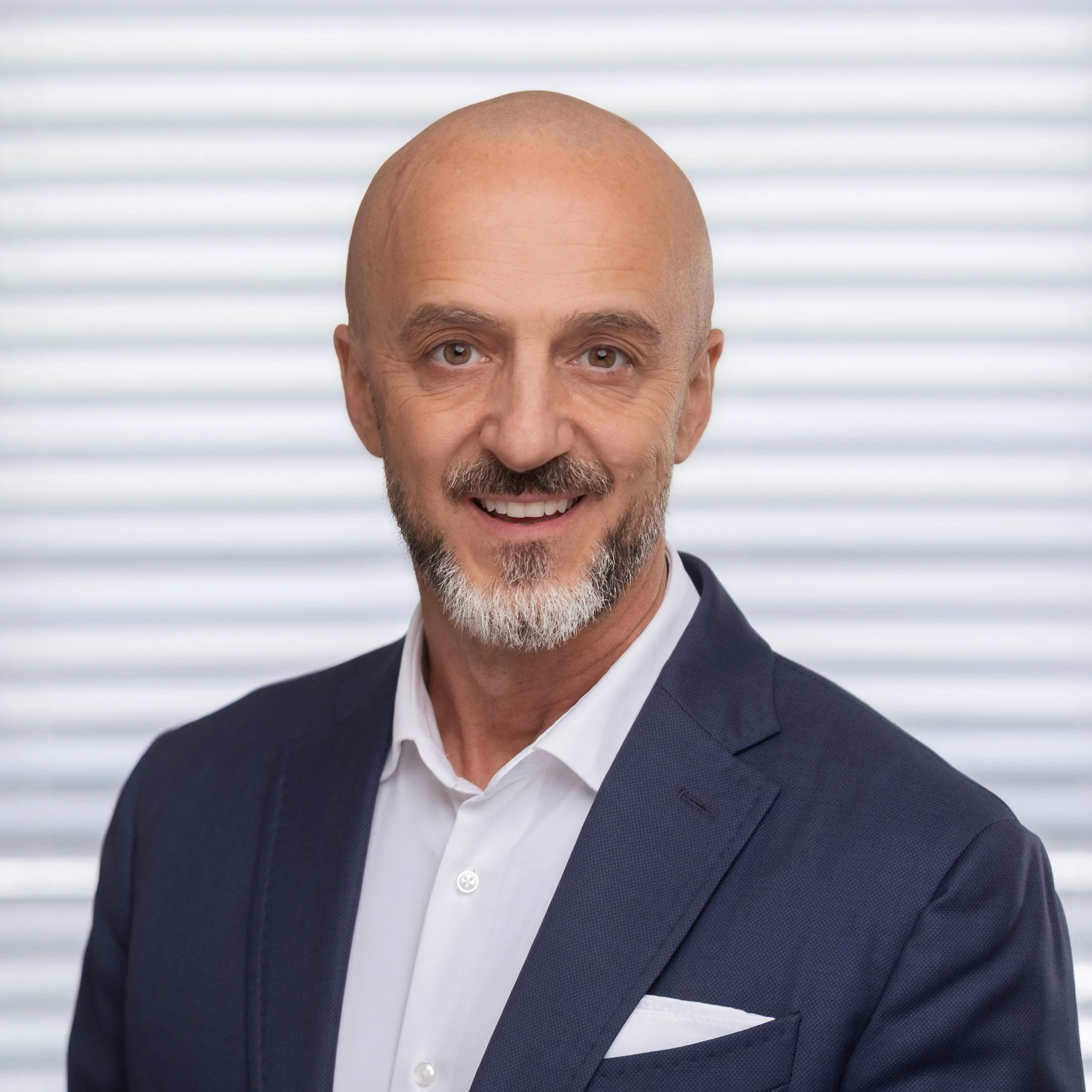
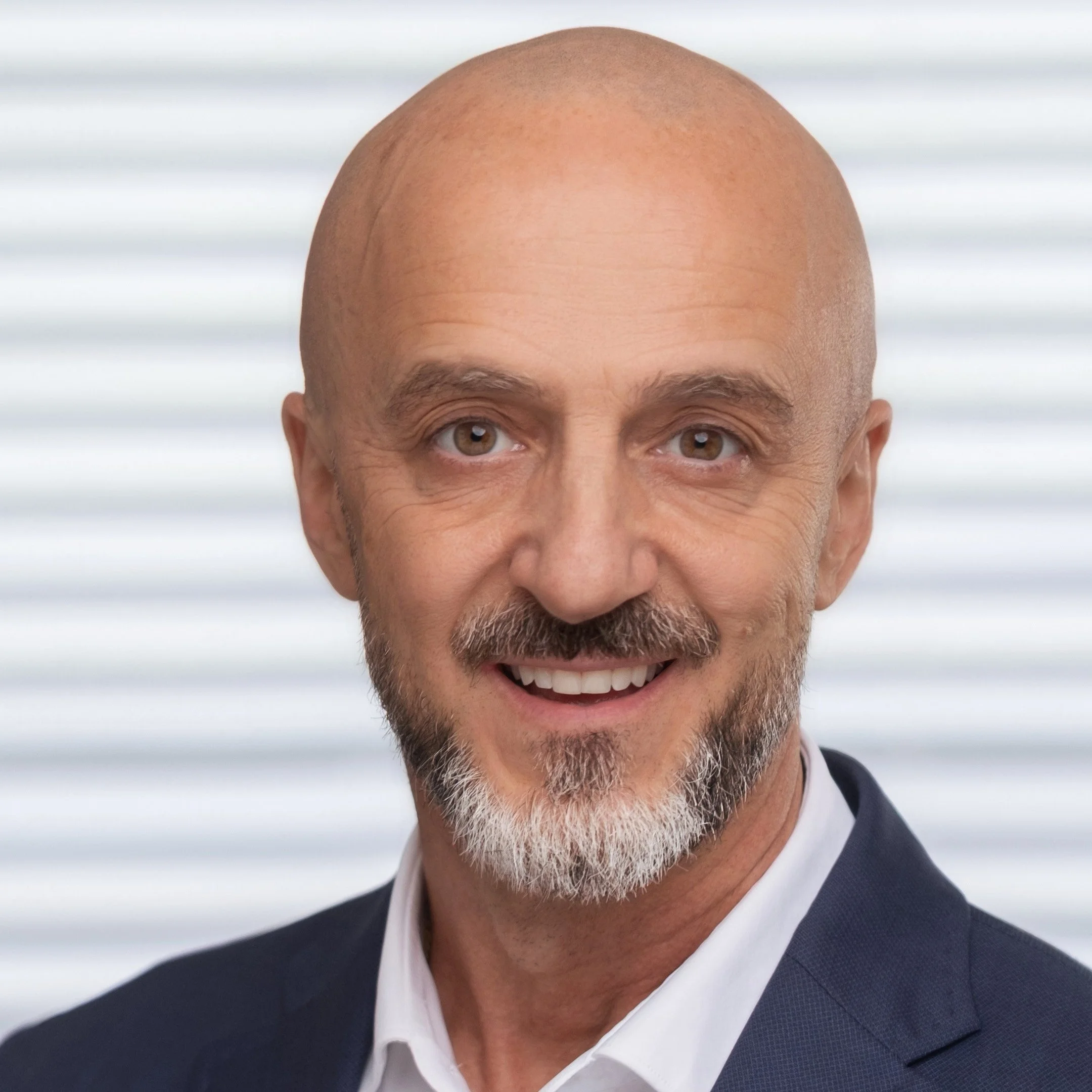

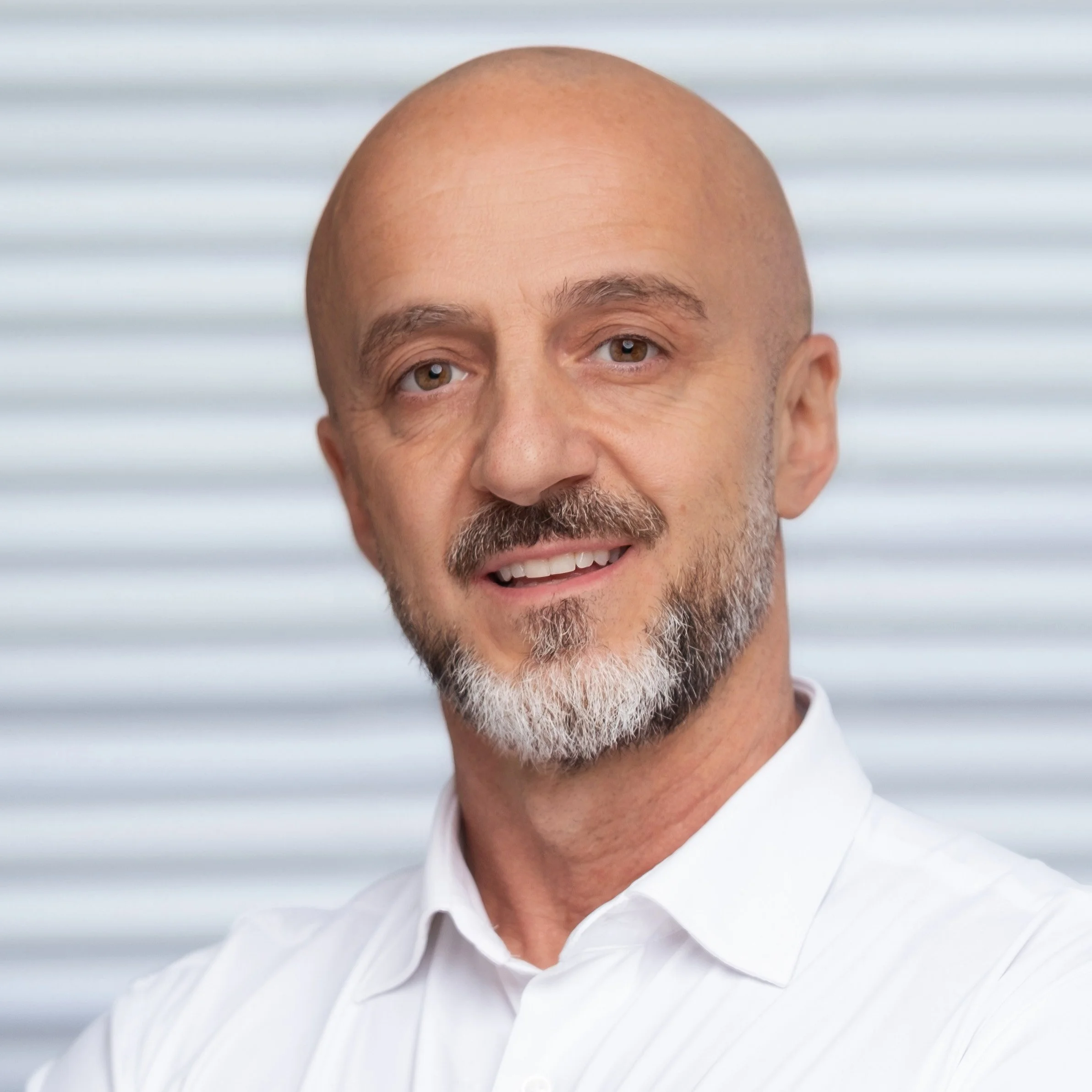
Simone Zanetti bio | extended version
Simone Zanetti is recognised as one of the leading voices shaping how AI is applied in business, giving non-technical leaders a level of control and strategic leverage that is still rare in the market. Built for real-world use, the framework allows people without technical AI backgrounds to work with far more power, clarity and consistency than is normally possible. That is why executive teams use it not only to strengthen their own decisions, but to expand capability across the organisation and lift the performance of the people around them.
This set of methodologies is brought together under the Zanetti AI Framework™, created to help organisations use AI with far more structure, control and reliability. It gives leaders a way to move beyond ad hoc prompting and into something more robust: reasoning that can be shaped, outputs that can be examined and workflows that can be applied with greater consistency. A great deal of this work sits in research and development, pushing large language models to do far more than most people realise is possible, then turning those gains into methods that ordinary professionals can use to improve their work, their decisions and their businesses.
For large enterprises and public institutions, the implications are immediate. Better decision quality. Stronger governance. More scalable adoption. Clearer accountability. Less dependence on improvisation.
Simone shares these ideas, discoveries and methods in conferences, executive forums and institutional settings around the world, where his work attracts leaders looking for a more serious answer to how AI can be used with control. What makes that message travel is simple: it speaks both to large organisations trying to scale AI responsibly and to professionals who want to do far more with it than the market currently shows them.
Across his career, Simone has worked with hundreds of large organisations and every year helps more than 2,000 executives and professionals get far more value from AI without surrendering control or compliance. That constant exposure to senior leaders, real operational constraints and different industry contexts gives his work a sharp practical foundation. The methodologies come out of live enterprise conditions, where the question is not whether AI is interesting, but whether it works, scales and holds up under pressure.
Simone has worked with artificial intelligence since 2002. More broadly, he has spent three decades across technology, strategy and communication, advising organisations on how new systems reshape judgement, behaviour and execution. That broader background still defines his perspective. He is less interested in AI as spectacle than in what happens when this technology is used well enough to widen capability rather than deepen the divide between those who know how to use it and those who do not.
At the centre of his work is a clear proposition: AI becomes strategically valuable when people can do more than access it. They need to direct it, govern it and rely on it.
The Zanetti AI Institute is where this work is developed and applied. It operates independently of vendors and platforms, keeping the focus on how AI is used rather than which company supplies it.
Simone Zanetti bio | short version
Simone Zanetti is recognised as one of the leading voices shaping how AI is applied in business. He is the creator of the Zanetti AI Framework™ and co-founder of the Zanetti AI Institute, where he develops methodologies that help non-technical leaders use AI with greater control, reliability and strategic impact.
He has worked with artificial intelligence since 2002 and, across his career, has supported hundreds of large organisations while helping more than 2,000 executives and professionals each year take fuller advantage of AI without losing control or compliance. His work is used in enterprise and public-sector environments where better decisions, stronger governance and scalable capability matter.
Simone speaks internationally in conferences, executive forums and institutional settings on how AI can move from loose experimentation to structured, dependable use in business and society.